anxiety counselling in manly & northern beaches.
ANXIETY
counselling for Anxiety in manly & northern beaches
No one should have to manage anxiety alone. At The Counselling Practice, we provide professional counselling in Manly and the Northern Beaches to help you reduce anxiety, feel supported, and regain balance in daily life.
“When we are no longer able to change a situation, we are challenged to change ourselves.”
Victor Frankl
WE’RE HERE TO HELP
What is Anxiety?
Anxiety is more than occasional nerves. It’s a set of physical, emotional, and behavioural responses that can become overwhelming when the body’s “threat system” is on high alert too often.
Anxiety often shows up differently for men - irritability, withdrawal, or anger rather than what we typically picture as “worry.”
WHO SUFFERS FROM ANXIETY?
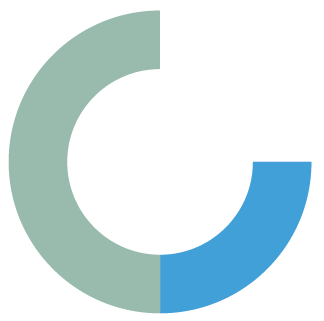
According to the 2020–2022 National Study of Mental Health and Wellbeing from the ABS, about 17.2% of Australians aged 16–85 years experienced an anxiety disorder in the past 12 months, equating to roughly 3.4 million people.
We all feel anxious sometimes — before big presentations, social situations, or when life throws curveballs. But when anxiety starts running your life instead of you, it's time to get some backup.
Anxiety shows up differently for everyone. Some experience generalised worry about everything. Others deal with social anxiety that makes networking or family events feel like an ordeal. The good news? These are all highly treatable.
Here's the concerning bit: while anxiety affects millions of Australians, only about one in three people get help. For men, that number's even lower. We're brilliant at pushing through or avoiding triggers, but avoidance isn't a long-term strategy.
Anxiety and depression often travel together. Constant worry is exhausting, which can lead to feeling flat or disconnected. If you're noticing both, you're not imagining it.
Your anxiety experience is unique to you. At TCP, we don't use cookie-cutter approaches. Our goal isn't eliminating anxiety entirely - it serves a purpose. But when it's working overtime, we help you understand what's driving it and give you practical tools to manage it.
What DOES ANXIETY FEEL LIKE?
Anxiety affects people in different ways, but there are common patterns that psychologists and counsellors recognise:
In Your Body: Physical symptoms of anxiety can include a racing heart, sweating, shaking hands, tight chest, shortness of breath, dizziness, or an upset stomach. Your body reacts as if there’s immediate danger, even when you’re safe.
In Your Head: Mental symptoms of anxiety often look like racing thoughts, difficulty focusing, constant “what if” scenarios, and a nagging sense that something bad is about to happen. Many men describe their mind as “not being able to switch off.”
How You Feel: Emotional symptoms include constant worry, irritability, restlessness, or fear that feels out of proportion. Some men experience anxiety more as anger - snapping at people or becoming easily frustrated by small things.
What You Do: Behavioural signs of anxiety can include avoiding situations that trigger fear, staying overly busy as a distraction, or developing checking behaviours such as monitoring emails or seeking reassurance.
Counselling for anxiety often reduces symptoms significantly. For some people, combining therapy with medication (prescribed by a GP or psychiatrist) provides additional relief. Treatment options vary depending on individual needs and circumstances.
DIFFERENT TYPES OF ANXIETY DISORDERS
Generalised Anxiety Disorder (GAD): This common anxiety disorder involves chronic, excessive worry about everyday events with no obvious cause. Symptoms of GAD often include muscle tension, fatigue, sleep problems, and irritability.
Panic Disorder: Characterised by sudden, intense episodes of fear, panic disorder is often linked with physical symptoms such as sweating, chest pain, dizziness, and shortness of breath. Panic attacks can occur without warning and can seriously disrupt daily life.
Social Anxiety Disorder: Also known as social phobia, this condition is defined by a persistent fear of social situations and of being judged or embarrassed by others. People may avoid social events or experience overwhelming anxiety when they cannot.
Obsessive-Compulsive Disorder (OCD): OCD involves recurring, unwanted thoughts (obsessions) that create anxiety and lead to repetitive behaviours or rituals (compulsions) as an attempt to reduce distress.
Post-Traumatic Stress Disorder (PTSD): PTSD can develop after traumatic experiences such as accidents, disasters, or violent events. Symptoms may include flashbacks, nightmares, avoidance of reminders, and heightened anxiety or hypervigilance.
Specific Phobias: These involve an intense fear of a particular object, situation, or activity, such as flying, public speaking, or animals like spiders or dogs.
Separation Anxiety Disorder: Marked by excessive fear or distress about being separated from loved ones or attachment figures. Symptoms often include worry before separation, reluctance to be alone, and physical complaints like stomach aches.
Anxiety disorders often occur alongside depression and other mental health conditions. Each person’s experience is unique, and professional support ensures accurate diagnosis and effective treatment.
When seeking help, look for a counsellor or psychologist who specialises in anxiety disorders. Ask about their therapeutic approach, whether it’s cognitive behavioural therapy (CBT), exposure therapy, or mindfulness-based strategies, and whether they offer additional anxiety management techniques.
EXPERIENCED COUNSELLORS OFFERING IN-PERSON & ONLINE SESSIONS
NORTHERN BEACHES COUNSELLORS WHO SPECIALISE IN ANXIETY SUPPORT
Finding the right counsellor for anxiety can make all the difference. We provide counselling in Manly and across the Northern Beaches, with both face-to-face and online options available. We have experience supporting clients with anxiety disorders, stress management, and related mental health challenges.
WHAT DOES ANXIETY COUNSELLING IN MANLY & NORTHERN BEACHES LOOK LIKE?
How Counselling Can Help Anxiety
Various strategies help people overcome anxiety, with counselling playing an important role in treating anxiety disorders. Sometimes anxiety symptoms may feel stronger before they ease, which is a normal part of recovery. Staying consistent with treatment is important for long-term improvement.
Different therapeutic approaches exist for anxiety counselling in Manly and the Northern Beaches. Common evidence-based methods include:
Insight-Oriented Therapy
Based on the belief that greater self-awareness leads to new life experiences. This approach explores how past feelings, beliefs, and events influence current anxiety patterns. The goal is to develop clarity and make healthier, adaptive choices that support growth.
Cognitive Behavioural Therapy (CBT)
Focuses on the relationship between thought patterns, physical symptoms, and behaviours. Research shows CBT is one of the most effective treatments for anxiety disorders. It provides a safe, supportive space for reducing symptoms and building coping skills. CBT is often used on its own or combined with mindfulness practices.
Exposure Therapy
Gradually introduces people to anxiety-triggering situations or objects in a safe, controlled way. The aim is to reduce fear responses over time. Exposure therapy is particularly effective for panic disorder, phobias, and social anxiety disorder.
Mindfulness Practices
Through consistent practice, such as meditation or breathwork, people become more present-focused and less caught up in racing thoughts. Mindfulness teaches shifting attention away from negative thought loops and toward meaningful growth. It can be used alone or alongside other therapies.
Accelerated Resolution Therapy (ART)
Combines CBT, EMDR, and guided imagery to process traumatic memories and shift unhelpful thought patterns. ART is known for producing rapid symptom relief, sometimes in just a few sessions. It helps people reframe experiences, release emotional blocks, and reduce anxiety.
HOW DO I KNOW WHICH TYPE OF COUNSELLING IS RIGHT FOR ME?
Consulting with a trained mental health professional is essential to understand which therapeutic approach best suits you. For severe or ongoing anxiety, seeking help from a qualified provider who can assess, diagnose, and treat anxiety disorders is important. Anxiety and other mental health conditions can be complex and often require personalised treatment plans. Experienced counsellors are trained to identify underlying causes and recommend the most effective approach based on your individual needs.
BENEFITS OF COUNSELLING
Counselling is one of the most effective ways to manage anxiety symptoms and improve long-term mental health. Evidence shows it can:
Reduce anxiety symptoms: Learn coping strategies and techniques to ease physical and emotional symptoms, reducing their daily impact.
Improve overall mental health: Address contributing issues like depression, trauma, or stress that often occur alongside anxiety.
Increase self-awareness: Develop a clearer understanding of your thoughts, feelings, and triggers, enabling positive life changes.
Enhance coping skills: Build practical tools such as relaxation techniques, grounding strategies, or cognitive behavioural therapy (CBT) methods.
Provide ongoing support and guidance: A mental health professional offers consistent encouragement and accountability, helping maintain motivation and progress.
FINDING THE RIGHT COUNSELLOR
Finding the right counsellor is crucial for effectively managing anxiety. Consider the following tips when choosing support:
Ask for referrals: Recommendations from friends, family members, or your GP can point you toward trusted professionals.
Check qualifications and experience: Ensure the counsellor is appropriately trained and has experience treating anxiety disorders specifically.
Look into Medicare and insurance options: Determine whether the counsellor offers Medicare rebates or accepts your private health insurance.
Review online feedback: Reading client reviews can help you understand their counselling style and effectiveness.
Prepare questions for your first session: Ask about their therapeutic approach (e.g. CBT, mindfulness, or trauma-informed care) and experience with anxiety treatment.
LIFESTYLE CHANGES TO MANAGE ANXIETY
Alongside professional counselling, certain lifestyle adjustments can significantly reduce anxiety and support better mental health:
Stay physically active: Regular exercise lowers anxiety symptoms and supports overall psychological wellbeing.
Practise calming strategies: Breathing techniques, progressive muscle relaxation, or meditation can reduce the body’s stress response.
Prioritise quality sleep: Aim for 7–8 hours each night to maintain emotional stability and reduce anxious thinking.
Choose a balanced diet: Eating plenty of vegetables, fresh produce, and whole grains supports brain health and mood regulation.
Limit stimulants: Reducing caffeine, alcohol, and nicotine helps prevent spikes in anxiety symptoms.
WHY CHOOSE THE COUNSELLING PRACTICE FOR ANXIETY SUPPORT IN MANLY & NORTHERN BEACHES?
Damian brings extensive experience supporting clients navigating a wide range of anxiety disorders. Choosing the right counsellor in Manly and the Northern Beaches is essential for finding effective relief and building long-term coping strategies. At The Counselling Practice, we provide tailored counselling for anxiety with a focus on trust, practical tools, and sustained progress. Our approach is grounded in evidence-based therapies and a deep understanding of the unique challenges men face when living with anxiety.
ARE YOU STRUGGLING WITH ANXIETY?
You don’t have to face it alone.
At The Counselling Practice, we treat anxiety like strength training for the mind. Every session is straight up, practical, and built to help you cut through the noise, find clarity, and get back on the front foot.
We offer in-person sessions in Manly and across the Northern Beaches, as well as secure online options if you prefer flexibility.
Book a free consultation today. Walk out lighter, clearer, and stronger under pressure.

